

The morning rush in many American homes looks the same: lost shoes, missing homework, a ticking clock, and a child who says, “I’m not hungry.” It’s tempting to hand over a granola bar and run out the door, or to let breakfast slide altogether. But what your child eats before school can shape how well they listen, learn, and behave all morning long.
The good news is that you don’t need fancy recipes or an extra hour. With a little planning, healthy breakfast ideas can be fast, affordable, and even fun. This guide explains why breakfast matters for learning, what a brain-friendly plate looks like, and gives you more than 20 practical ideas for every kind of morning, from the frantic to the relaxed.
Why Breakfast Matters for Focus and Learning
Think of breakfast as fuel for the brain. After a night of sleep, a child’s body has gone eight to twelve hours without food. The brain, which uses a large share of the body’s energy, needs a fresh supply of glucose to concentrate, remember, and solve problems.
Research reviewed by the Centers for Disease Control and Prevention (CDC) has linked eating breakfast with better attendance, improved attention, stronger memory, and higher grades. Students who skip breakfast are more likely to feel tired, irritable, and unable to concentrate. They may also be more likely to visit the school nurse with headaches or stomachaches, which means time out of the classroom.
Breakfast does more than boost brainpower. It also:
- Supports nutrition. Children who eat breakfast tend to get more fiber, calcium, vitamin D, and other key nutrients than those who skip it.
- Steadies mood. Stable blood sugar can mean fewer mid-morning meltdowns.
- Helps with healthy habits. Regular breakfast eaters are less likely to overeat or reach for sugary snacks later in the day.
It’s worth noting that what kids eat matters as much as whether they eat. A breakfast loaded with sugar might give a quick burst of energy, but it’s often followed by a crash. That’s why the most effective breakfasts balance a few key nutrients.
What Makes a Breakfast Good for the Brain?
The best school-morning meals combine several food groups. Aim to include at least two or three of the following.
Protein
Protein keeps kids full and helps stabilize blood sugar. Good sources include eggs, Greek yogurt, milk, cheese, nut or seed butters, beans, and lean meats. Even 8 to 15 grams of protein can make a noticeable difference in how long a child stays satisfied.
Fiber-Rich Complex Carbohydrates
Whole grains, fruits, and vegetables supply steady energy. Look for oatmeal, whole-grain bread, whole-wheat tortillas, and fruits such as berries, apples, and bananas. Fiber slows digestion, which means energy is released gradually instead of all at once.
Healthy Fats
The brain is made up largely of fat, and healthy fats support its development. Avocado, nut butters, seeds, and full-fat dairy (for young children) are all good choices. Omega-3 fats, found in walnuts, chia seeds, flaxseed, and fish, are especially valued for brain health.
Fruits and Vegetables
Colorful produce provides vitamins, minerals, and antioxidants. Berries, in particular, are often highlighted by nutrition experts, and adding spinach to a smoothie or peppers to an omelet is an easy way to sneak in extra servings.
Hydration
Even mild dehydration can make it harder to concentrate. A glass of water or milk with breakfast gets the day started right. Fruit juice, if served, should be 100% juice and limited. The American Academy of Pediatrics (AAP) recommends no more than 4 to 6 ounces per day for children ages 4 to 6, and 8 ounces for older kids.
The Simple Formula
If you want an easy rule to remember, try this: protein + whole grain or fruit + a little healthy fat. For example: eggs with whole-grain toast and sliced avocado, or Greek yogurt with berries and a sprinkle of granola.
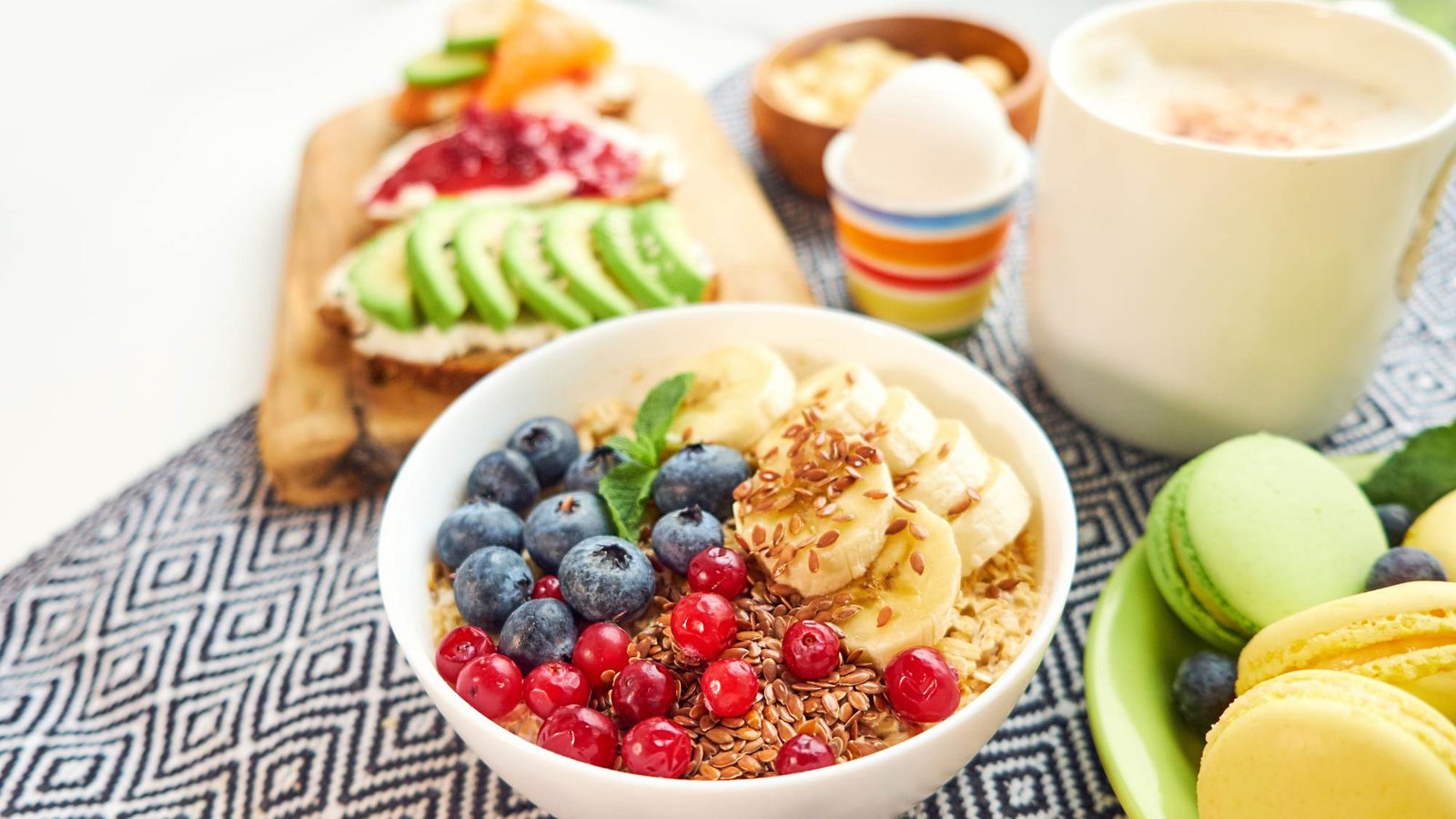
Quick Healthy Breakfast Ideas for Busy School Mornings
When the clock is ticking, speed matters. These ideas take 10 minutes or less.
1. Peanut butter banana toast. Spread peanut butter or another nut or seed butter on whole-grain toast and top with banana slices. It’s a classic that delivers protein, fiber, and healthy fat. (If your school is nut-free, swap in sunflower seed butter, and always check your school’s policy for foods that will be eaten on campus.)
2. Greek yogurt parfait. Layer plain or lightly sweetened Greek yogurt with berries and a spoonful of low-sugar granola. Greek yogurt typically has about twice the protein of regular yogurt.
3. Scrambled egg breakfast wrap. Scramble an egg or two, add a sprinkle of cheese, and roll them up in a whole-wheat tortilla. Wrap in foil for kids who eat on the bus.
4. Cottage cheese and fruit bowl. Cottage cheese is high in protein, and pairing it with pineapple, peaches, or berries makes it kid-friendly.
5. Cheese quesadilla with salsa. Melt cheese between whole-wheat tortillas for a warm, filling breakfast. Add black beans for extra fiber.
6. Whole-grain cereal with milk and fruit. Cereal can be a fine choice if you pick wisely. Look for options with at least 3 grams of fiber and little added sugar. Many dietitians suggest choosing cereals with 6 grams of added sugar or less per serving. Top with sliced strawberries or a banana.
7. Apple slices with nut butter and a cheese stick. This no-cook plate is great for kids who prefer finger foods.
8. Instant oatmeal upgraded. Skip the flavored packets, which are often high in sugar. Instead, use plain quick oats, cook them in milk, and stir in berries, cinnamon, and chopped nuts.
Make-Ahead Breakfast Ideas That Save Time
If your mornings are chaos, a little weekend prep can be a lifesaver. Spend an hour on Sunday, and breakfast is practically ready for the week.
9. Overnight oats. Combine rolled oats, milk, Greek yogurt, and chia seeds in a jar and refrigerate overnight. In the morning, top with fruit. They’ll keep for up to four days.
10. Egg muffin cups. Whisk eggs with chopped vegetables, such as spinach, peppers, and tomatoes, pour into a muffin tin, and bake at 350°F for about 20 minutes. Store in the fridge for up to four days or freeze for up to a month. Reheat for 30 seconds in the microwave.
11. Whole-grain banana oat muffins. Sweetened with ripe bananas instead of lots of sugar, these muffins freeze well and defrost quickly.
12. Freezer breakfast burritos. Fill tortillas with scrambled eggs, black beans, cheese, and a little salsa. Wrap individually, freeze, and microwave when needed.
13. Homemade granola bars. Mix oats, nut or seed butter, honey, and dried fruit, press into a pan, and chill. Store-bought bars are often little more than candy bars in disguise, so a homemade version lets you control the sugar.
14. Hard-boiled eggs. Boil a dozen at the start of the week. Pair with a piece of fruit and whole-grain crackers for a fast and portable meal.
15. Chia pudding. Mix chia seeds with milk and a touch of maple syrup, then refrigerate overnight. Chia seeds supply fiber and omega-3 fats.
Breakfast Ideas for Kids Who Say “I’m Not Hungry”
Morning appetite varies. Some children simply aren’t hungry right when they wake up. Rather than forcing food, try these strategies.
Offer something small. A few bites count. A smoothie, a piece of toast, or a cheese stick is much better than nothing.
16. Fruit and veggie smoothies. Blend milk or plain yogurt, a banana, a handful of spinach (you’d be surprised how well it hides), and frozen berries. Many kids drink smoothies more easily than they eat solid food. Add a spoonful of nut butter or oats for staying power.
17. Breakfast to go. Pack a portable option, such as a muffin, a wrap, or a small container of yogurt, for the bus or the walk to school. Eating 30 to 60 minutes after waking up may feel easier.
18. Eat at school. Many US schools participate in the USDA’s School Breakfast Program, and some districts offer free breakfast to all students. Breakfast in the classroom and grab-and-go options have helped more students eat in the morning. Check with your school to find out what’s available and whether your family qualifies for free or reduced-price meals.
Move breakfast later, not away. If your child truly isn’t hungry at 7 a.m., a mid-morning snack, like a mini wrap, trail mix (nut-free if needed), or a yogurt tube, may help. Just talk with the teacher about when snacks are allowed.
Ideas for Picky Eaters and Special Diets
Every family has different needs. Here are ways to adapt.
For picky eaters, keep familiar favorites on the table and add one new food at a time. Serve breakfast “deconstructed,” with each food in a separate section of the plate. Let kids help choose and prepare. Children are far more likely to try foods they had a hand in making.
19. Pancakes with hidden nutrition. Make pancakes with whole-wheat flour, mashed banana, or pumpkin puree, and serve with Greek yogurt and berries instead of heavy syrup.
For food allergies, always read labels carefully, even on foods you buy often. Sunflower seed butter, soy or oat-based yogurts (check the label for protein and added sugar), and gluten-free oats can replace common allergens. Talk with your pediatrician or allergist about what’s safe for your child.
For dairy-free diets, unsweetened fortified soy milk is nutritionally closest to cow’s milk. Other plant milks, such as almond or oat, are often much lower in protein, so add protein from other sources.
20. Savory options. Not everyone likes sweet breakfasts. Try leftover rice with a fried egg, a turkey and cheese sandwich, hummus on whole-grain toast with cucumber slices, or even a small bowl of leftover chicken and vegetable soup. There is no rule that says breakfast must look like breakfast.
Foods to Limit Before School
You don’t have to be perfect, and treats are fine now and then. But some breakfast choices tend to work against focus.
- Sugary cereals and pastries. These can lead to a rapid spike and crash in energy.
- Flavored instant oatmeal packets and sweetened yogurts. They can hide surprising amounts of added sugar. Compare labels, and look for plain versions you can sweeten yourself with fruit.
- Toaster pastries, donuts, and sugary drinks. Fine as occasional treats, but not ideal for everyday fuel.
- Energy drinks and coffee. Caffeine is not recommended for children, and the AAP advises against energy drinks for kids and teens.
The 2020–2025 Dietary Guidelines for Americans recommend that added sugars make up less than 10 percent of daily calories for people age 2 and older, and that children under 2 avoid foods with added sugars. Checking the “Added Sugars” line on the Nutrition Facts label is one of the simplest ways to make smarter choices.
A Sample Week of Healthy School Breakfasts
Need a plan? Here is an easy rotation that mixes quick, make-ahead, and no-cook options.
- Monday: Overnight oats with berries and chopped walnuts
- Tuesday: Egg muffin cups with a clementine
- Wednesday: Peanut butter banana toast with a glass of milk
- Thursday: Greek yogurt parfait with low-sugar granola
- Friday: Breakfast quesadilla with salsa and apple slices
On the weekend, there’s more time to cook together. Pancakes, veggie omelets, and homemade breakfast sandwiches make great family activities and give kids a chance to learn kitchen skills.
Tips to Make Healthy Breakfasts Stick
Even the best breakfast ideas only work if they actually get eaten. These habits make the routine easier.
Plan ahead. Spend five minutes on Sunday evening choosing the week’s breakfasts and writing a short shopping list.
Prep the night before. Set out bowls, slice fruit, pack lunches, and have backpacks by the door so mornings feel calm.
Wake up a little earlier. An extra 10 or 15 minutes can transform a rushed grab-and-go into a relaxed meal. Better sleep also helps: children who get enough rest tend to wake up hungrier and in better moods.
Keep it stocked. Maintain a “breakfast basket” or shelf with whole-grain bread, nut or seed butters, oats, bananas, and shelf-stable options for hectic days.
Eat together when you can. Kids tend to eat better when adults sit down with them, even for just 10 minutes. It’s also a nice chance to talk about the day ahead.
Be a good role model. If you skip breakfast, your children notice. Eating a nourishing meal yourself sends a powerful message.
Stay flexible. Some days will be a banana in the car, and that’s okay. Healthy eating is about the pattern over time, not any single meal.
Frequently Asked Questions
What is the best breakfast for kids to focus at school?
The best breakfasts combine protein, fiber-rich carbohydrates, and a little healthy fat. Examples include eggs with whole-grain toast, Greek yogurt with berries and granola, or oatmeal with nuts and fruit. These foods provide steady energy rather than a quick spike and crash.
Does skipping breakfast affect learning?
Research suggests it can. Children who skip breakfast are more likely to struggle with attention, memory, and mood, and may have lower attendance and grades. Even a small, simple breakfast is better than none.
Is cereal a healthy breakfast for kids?
It can be, if you choose wisely. Pick whole-grain cereals that are high in fiber and low in added sugar, serve them with milk or yogurt for protein, and add fruit. Sugary cereals are better saved for occasional treats.
What can I give my child for breakfast if they hate eggs?
Plenty of protein options work. Try Greek yogurt, cottage cheese, nut or seed butters, cheese, milk, beans, or a protein-rich smoothie.
How can I get my child to eat breakfast in the morning?
Start small, offer choices, and give them a part in planning and making it. Portable options and smoothies can work well for kids who aren’t hungry right after waking up. Waking up 10 to 15 minutes earlier can also help appetite kick in.
Are school breakfasts healthy?
School breakfasts that participate in the USDA’s School Breakfast Program must meet federal nutrition standards, including requirements for whole grains, fruit, milk, and limits on calories, saturated fat, and sodium. Menus vary by district, so check your school’s menu online and talk with your child about their favorites.
How much water should kids drink in the morning?
There’s no exact amount, but a glass of water or milk with breakfast is a good start. Encourage your child to bring a refillable water bottle to school and sip throughout the day.
Final Thoughts
A healthy breakfast doesn’t have to be elaborate. A balance of protein, whole grains or fruit, and a bit of healthy fat is enough to help your child stay focused, steady, and ready to learn. Whether you choose a 5-minute peanut butter toast, a make-ahead egg muffin, or a smoothie sipped on the way out the door, the important thing is to start the day with real food.
Pick two or three ideas from this list, try them this week, and notice what your child enjoys. Little changes at the breakfast table can make big differences in the classroom.
Disclaimer: This article is for general informational purposes only and is not a substitute for professional medical, legal or educational advice. Always consult your child’s pediatrician, teacher or a qualified professional about your child’s specific needs.