

Technology has changed almost every part of our daily lives, and education is no exception. From online classes and digital textbooks to artificial intelligence and smart learning apps, technology is changing how students learn and how teachers teach.
In the past, students mostly depended on classrooms, printed books, and teachers for information. Today, a student with a computer or smartphone can access thousands of educational resources within seconds. Online courses, educational videos, virtual classrooms, AI tools, and learning platforms have made education more flexible and accessible.
The role of technology in education is expected to grow even more in the coming years. Schools, colleges, universities, teachers, parents, and students are finding new ways to use technology to make learning easier and more engaging.
For students in the United States, this change can create new opportunities. At the same time, it also brings challenges that students and educators need to understand.
Technology will not replace the need for good teachers. Instead, it can give teachers better tools to help students learn.
What Is Educational Technology?
Educational technology, often called EdTech, means using digital tools and technology to support teaching and learning.
These tools can include:
- Computers and laptops
- Tablets and smartphones
- Online learning platforms
- Educational apps
- Artificial intelligence tools
- Digital textbooks
- Video lessons
- Virtual classrooms
- Online quizzes and assessments
- Virtual and augmented reality
- Learning management systems
- Educational games
Technology can be used inside traditional classrooms, in online schools, at colleges and universities, or at home.
The main goal is not simply to add more technology to education. The goal is to use technology in a way that helps students understand subjects, practice skills, find information, and become more independent learners.
How Technology Is Changing the Way Students Learn
One of the biggest changes technology has brought to education is the way students access information.
A student no longer has to wait until the next class to ask a question or find a topic in a library book. They can search for explanations, watch educational videos, use digital resources, and practice questions online.
This creates a learning environment that can continue outside the classroom.
1. Online Learning Is Becoming More Flexible
Online learning allows students to study from almost anywhere. A student can attend a virtual class from home, a library, or another suitable location.
This flexibility can be especially useful for college students, working students, and learners who cannot attend traditional classes every day.
Online education can also give students access to courses that may not be available at their local school or college.
Students can learn subjects such as:
- Computer science
- Business
- Mathematics
- Writing
- Psychology
- Engineering
- Digital marketing
- Data science
- Foreign languages
Instead of depending only on a local classroom, students can explore learning opportunities from institutions and platforms across the country.
2. Artificial Intelligence Is Changing Education
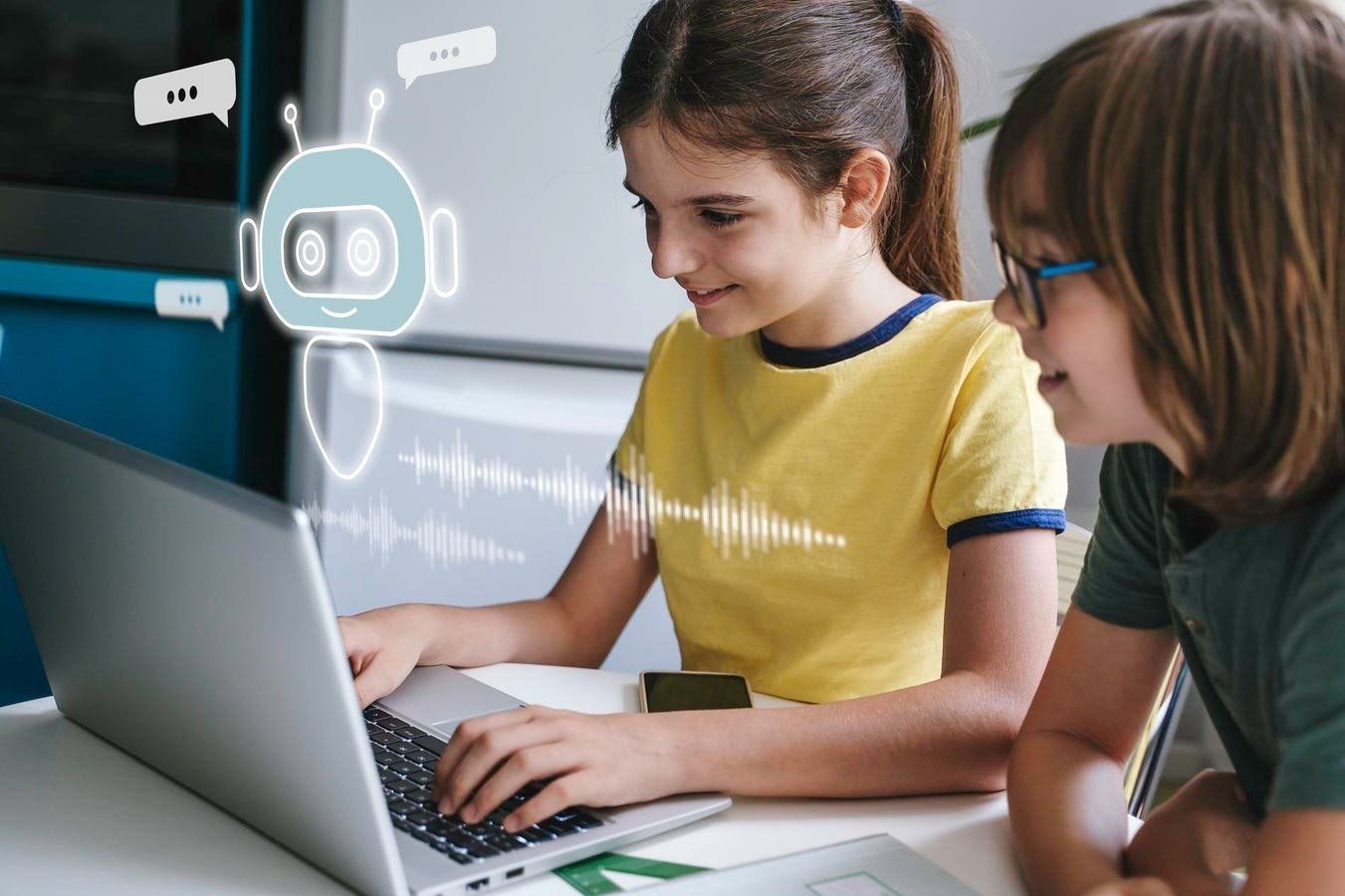
Artificial intelligence, or AI, is one of the most important technologies shaping the future of education.
AI tools can help students understand difficult topics, generate practice questions, organize information, improve writing, and receive explanations in simpler language.
For example, if a student is struggling with a math concept, an AI-powered learning tool may provide an explanation step by step. A language-learning system may also adjust exercises based on the student’s performance.
However, students need to use AI responsibly.
AI should be used as a learning assistant rather than a shortcut for completing every assignment. Students still need to understand the material, check information, and follow their school’s academic integrity rules.
How Students Can Use AI Responsibly
Students can use AI to:
- Explain difficult concepts
- Create practice questions
- Review notes
- Brainstorm ideas
- Improve grammar
- Create study plans
- Practice a new language
- Summarize information for review
- Prepare for quizzes
- Ask questions about a subject
The most useful approach is to use AI to support learning instead of replacing learning.
3. Personalized Learning
Every student learns differently.
Some students understand a topic quickly, while others need more examples and practice. Traditional classrooms can make it difficult for teachers to give every student exactly the same level of individual attention.
Technology can help make learning more personalized.
Many digital learning platforms can track student progress and recommend additional practice. A student who performs well in one area may move forward, while a student who needs more help can receive additional exercises.
This approach is often called personalized or adaptive learning.
For students, personalized learning can mean spending more time on areas they find difficult instead of moving through every topic at the same speed.
4. Educational Videos Make Complex Topics Easier
Videos have become an important part of modern education.
A complicated science experiment, historical event, mathematical process, or technical concept can sometimes be easier to understand when students can see it rather than only read about it.
Educational videos can include:
- Animated explanations
- Demonstrations
- Lectures
- Interviews
- Science experiments
- Step-by-step tutorials
- Visual presentations
Students can also pause, rewind, and replay lessons when needed.
This is particularly helpful for students who need more time to understand a topic.
5. Virtual Reality Can Create New Learning Experiences
Virtual reality, commonly known as VR, could play a larger role in education in the future.
Instead of simply reading about a historical location, students may be able to explore a virtual version of it. Science students could potentially experience simulated environments, while medical students can practice certain procedures in virtual settings.
VR can make learning more interactive by allowing students to experience concepts instead of only reading about them.
However, VR equipment can be expensive, and schools need suitable technology and training before using it effectively.
6. Gamification Can Make Learning More Engaging
Learning does not always have to feel like traditional homework.
Gamification uses game-like elements such as points, levels, challenges, badges, and rewards to make educational activities more engaging.
For example, a language-learning app may give students points for completing vocabulary exercises. A math platform may turn practice questions into challenges.
Gamification can encourage students to practice regularly and make repetitive activities more interesting.
However, educational games should still focus on learning outcomes. A game is useful in education when it helps students understand or practice something meaningful.
7. Digital Textbooks Are Changing Study Habits
Printed textbooks remain useful, but digital textbooks are becoming another option for students.
Digital books can be accessed through computers, tablets, and other devices. Depending on the platform, students may be able to search for words, highlight sections, add notes, and access additional resources.
Digital textbooks can also reduce the need to carry several heavy books.
For college students, having course materials available digitally can make studying more convenient.
8. Technology Makes Collaboration Easier
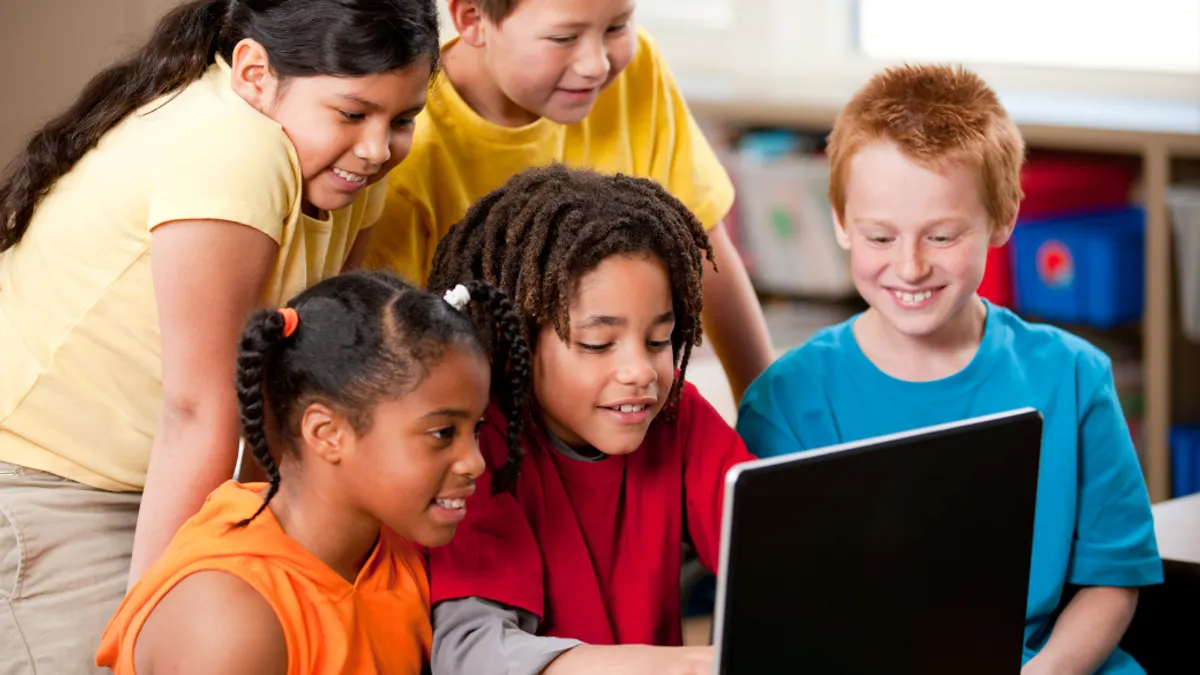
Modern students can work together even when they are not in the same room.
Cloud-based tools allow students to create documents, presentations, spreadsheets, and projects together online.
For example, a group of college students can work on a research presentation while living in different cities.
Technology can help students develop collaboration skills that are also important in the workplace.
Students learn how to:
- Share information
- Communicate online
- Give feedback
- Manage group projects
- Work with deadlines
- Present ideas digitally
These skills can become valuable when students enter technology-focused workplaces.
9. Online Resources Give Students More Learning Options
The internet has created a huge collection of educational resources.
Students can find:
- Online courses
- Research materials
- Practice tests
- Tutorials
- Educational podcasts
- Digital libraries
- Study guides
- Career information
- Scholarship information
This gives students more control over their education.
For example, a high school student interested in computer programming can begin learning basic coding online before entering college.
A college student studying business can explore additional materials beyond the required textbook.
10. Technology Is Helping Teachers Too
Technology does not only benefit students. Teachers can also use digital tools to organize lessons, communicate with students, create assessments, and track academic progress.
Learning management systems can help teachers share assignments, announcements, reading materials, and grades.
Digital assessment tools can also make it easier to identify areas where students need additional help.
Teachers can then spend more time focusing on teaching and supporting students rather than handling certain repetitive administrative tasks.
The Role of Technology in Higher Education
Technology is particularly important in colleges and universities.
Students can take online courses, attend virtual meetings, access digital libraries, submit assignments electronically, and communicate with professors through digital platforms.
Many degree programs also use technology as part of the actual learning process.
For example, students studying:
- Computer science may use programming environments.
- Engineering students may use simulation software.
- Business students may use data analysis tools.
- Design students may use digital design software.
- Medical students may use digital simulations.
- Communication students may use multimedia tools.
As technology develops, students may need to learn both academic knowledge and digital skills.
How Technology Can Help Students Prepare for Careers
The workplace is becoming increasingly digital.
Many employers expect workers to understand common digital tools and communicate effectively online. Some careers require advanced technical skills such as programming, data analysis, cybersecurity, artificial intelligence, or cloud computing.
This means technology-based education can help students prepare for future careers.
Students can begin building useful skills before graduation by learning:
- Digital communication
- Computer skills
- Data analysis
- Coding
- Online research
- Presentation software
- Digital collaboration
- Cybersecurity basics
- AI literacy
Students do not necessarily need to become technology experts. However, understanding how digital tools work can be useful in almost every modern career.
Challenges of Technology in Education
Although technology offers many benefits, it also creates challenges.
Digital Access
Not every student has the same access to computers, reliable internet, or other devices.
Students from families with limited resources may face difficulties completing technology-based assignments.
Schools and communities need to consider digital access when introducing new educational technology.
Distractions
Phones, social media, games, and entertainment websites can distract students from studying.
Technology is useful only when students can use it responsibly.
Privacy and Data Security
Educational platforms may collect information about students and their learning activities.
Schools and technology providers need to protect student information and follow applicable privacy requirements.
Students and parents should also understand what information an educational platform collects and how it is used.
Too Much Screen Time
Using digital devices for many hours can lead to increased screen time.
Students should balance online learning with physical activity, sleep, face-to-face communication, and other offline activities.
Dependence on Technology
Technology should support education rather than become the only way students learn.
Reading printed material, writing by hand, classroom discussions, experiments, and direct communication can still be valuable.
What Will the Future Classroom Look Like?
The classroom of the future may look very different from the traditional classroom.
Students may use a combination of physical and digital learning. Teachers could use AI-powered tools to identify learning gaps, while students may use interactive simulations and virtual environments.
A future classroom could include:
- Smart displays
- AI learning assistants
- Interactive digital lessons
- Virtual reality experiences
- Personalized learning platforms
- Online collaboration tools
- Digital assessments
- Real-time learning feedback
However, technology will likely remain a tool rather than the entire education system.
Human interaction will continue to matter.
Teachers can provide encouragement, explain difficult ideas, understand student needs, and create supportive learning environments in ways that technology cannot fully replace.
How Parents Can Support Technology-Based Learning
Parents also have an important role as education becomes more digital.
Parents can help by creating a suitable study environment and teaching children how to use technology responsibly.
Some helpful steps include:
- Set reasonable screen-time boundaries.
- Encourage children to use reliable educational resources.
- Talk about online safety.
- Help children develop good study habits.
- Encourage breaks during long study sessions.
- Teach children to check information before trusting it.
- Discuss responsible use of AI.
- Stay involved with school communication.
The goal should not be to completely control technology use. Instead, parents can help children develop healthy and responsible digital habits.
What Students Can Do to Prepare for the Future
Students do not need to wait for schools or colleges to teach them every digital skill.
They can start building technology skills independently.
Practical steps students can take:
- Learn basic computer skills.
Understand common software, file management, online communication, and productivity tools. - Explore AI tools responsibly.
Learn how AI works and understand its limitations. - Practice online research.
Learn how to identify reliable information and avoid misleading content. - Develop digital communication skills.
Practice writing professional emails, creating presentations, and working online with others. - Explore technology-related subjects.
Try coding, data analysis, design, cybersecurity, or other areas that match your interests. - Keep learning.
Technology changes quickly, so continuous learning can become an important part of education and career development.
The Future of Education Will Combine Technology and Human Skills
Technology is changing education, but academic success will still require important human skills.
Students will need creativity, communication, critical thinking, problem-solving, teamwork, and the ability to make responsible decisions.
Technology can provide information and tools, but students still need to understand what they are learning and how to apply it.
Teachers will also continue to play an important role. The future of education is therefore unlikely to be simply “technology versus traditional education.”
Instead, the future may involve a combination of effective teaching, digital tools, human support, and personalized learning.
Final Thoughts
Technology is shaping the future of education by changing how students learn, how teachers teach, and how educational resources are delivered.
Online learning, artificial intelligence, educational apps, digital textbooks, virtual reality, and personalized learning systems are creating new opportunities for students in the United States and around the world.
At the same time, technology comes with challenges such as digital access, distractions, privacy concerns, and excessive screen time.
The most important thing is how technology is used.
When used responsibly, technology can help students access information, practice skills, collaborate with others, and prepare for a changing job market.
The future of education will not depend on technology alone. It will depend on finding the right balance between technology and the human side of learning.
Frequently Asked Questions
1. How is technology changing education?
Technology is changing education by making learning more flexible, interactive, and accessible. Students can use online courses, educational apps, digital textbooks, AI tools, and virtual classrooms to support their education.
2. What is the role of AI in education?
AI can help students understand difficult topics, practice skills, organize information, improve writing, and create personalized learning experiences. Students should use AI as a learning support tool and follow their school’s rules regarding academic work.
3. Will technology replace teachers?
Technology is not expected to completely replace teachers. Teachers provide human guidance, encouragement, communication, and support that technology cannot fully reproduce.
4. Is online learning good for students?
Online learning can provide flexibility and access to a wide range of courses. Its effectiveness can depend on the student’s learning style, course quality, technology access, and ability to stay organized.
5. How can students use technology for studying?
Students can use technology to watch educational lessons, take digital notes, practice questions, research topics, create study schedules, collaborate with classmates, and review difficult concepts.
6. What are the disadvantages of technology in education?
Some challenges include distractions, excessive screen time, unequal access to devices and internet services, privacy concerns, and overdependence on digital tools.
7. What technology skills should students learn?
Useful skills include digital communication, online research, productivity software, data literacy, AI literacy, basic cybersecurity awareness, and technology skills related to a student’s chosen career.
8. What is the future of education?
The future of education will likely combine traditional teaching with digital learning tools. AI, personalized learning, online education, virtual experiences, and interactive platforms may become increasingly common.
9. How can parents help children use educational technology?
Parents can create healthy study routines, discuss online safety, encourage reliable educational resources, set reasonable screen-time boundaries, and help children understand responsible technology use.
10. Why is technology important for future careers?
Many modern workplaces depend on digital tools. Learning technology skills can help students communicate, solve problems, collaborate, and adapt to changing workplace requirements.